
Data Privacy, Cybersecurity & Trust In Healthcare
Dive into data privacy in healthcare, medical device security, and trust at our health leadership conference, with insights from experts and innovative solutions.
Dive into data privacy in healthcare, medical device security, and trust at our health leadership conference, with insights from experts and innovative solutions.
Protecting sensitive patient information and securing medical devices are no longer just technical requirements—they are essential for patient safety and maintaining trust in healthcare. Robust cybersecurity and data privacy practices also safeguard digital health platforms and support organizational integrity.
Healthcare organizations face increasingly sophisticated cyber threats targeting electronic health records, medical devices, and telemedicine platforms. Medical device cybersecurity involves not only protecting devices from external attacks but also ensuring their continuous, safe operation. Meanwhile, medical cybersecurity extends to hospital networks, cloud storage, and mobile applications used for patient care.
As digital tools proliferate from AI-driven diagnostics to remote patient monitoring, vulnerabilities multiply. Healthcare providers and technology developers must adopt robust policies and frameworks for securing medical devices and enforcing cybersecurity and medical device standards. This approach protects both patients and institutions while supporting innovation in the digital health ecosystem.
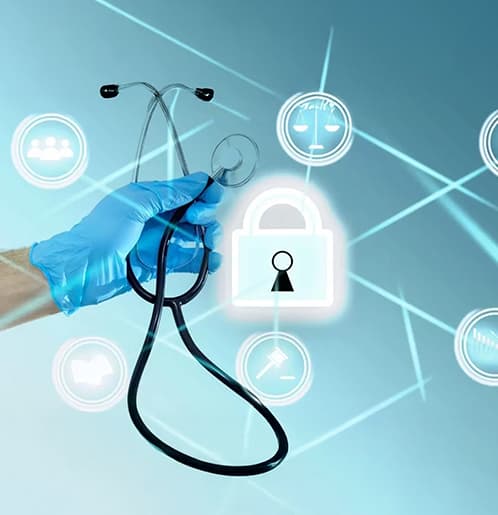
The healthcare sector increasingly depends on connected devices, cloud platforms, and electronic records, making cybersecurity for the healthcare industry a top priority. Breaches or system failures can compromise sensitive patient information, disrupt clinical operations, and undermine healthcare trust.
This theme examines how data privacy, medical device security, and cybersecurity frameworks work together to protect patients and build the trust that modern healthcare systems require.
At our upcoming health innovation summit, discussions on data privacy in healthcare and cyber healthcare will cover several practical strategies:
Explore regulations like HIPAA, GDPR, and emerging global standards. Learn how encryption, access controls, and consent management policies protect patient information while supporting digital innovation.
Focus on medical device cybersecurity strategies for safeguarding connected devices. Topics include risk assessment, threat detection, and best practices for securing medical devices in clinical and home environments.
Learn how hospitals and digital health platforms implement network segmentation, endpoint protection, and secure cloud storage. Emphasis on cybersecurity and medical devices ensures reliability and compliance.
Discuss the latest attack vectors, including ransomware, phishing, and IoT vulnerabilities. Understand how healthcare cybersecurity companies develop innovative solutions to mitigate risks.
Examine the role of transparency, accountability, and ethical practices in building trust in healthcare. Strategies include patient education, proactive communication, and robust incident response plans.
Explore international collaborations on cyber defense, medical device security protocols, and shared frameworks for cybersecurity and healthcare, enhancing resilience across borders.
Co-authored by experts in healthcare information security, this book serves as an exam guide for the HealthCare Information Security and Privacy Practitioner (HCISPP) certification, addressing information security and privacy within the healthcare business context.
Explores real-world cybersecurity challenges in hospitals and digital health platforms, emphasizing risk management, compliance, and operational security.
Provides a comprehensive overview of digital health platforms, medical device security, and best practices for protecting sensitive patient data in healthcare systems.
Covers medical cybersecurity trends, compliance, breach prevention, and practical steps to secure healthcare systems.
Recorded sessions from leading experts discussing cybersecurity in healthcare, securing medical devices, and data privacy frameworks.
Provides insights into protecting patient information, building trust in healthcare, and implementing robust cybersecurity practices in hospitals and digital health platforms.
Interactive resources, guidelines, and frameworks for healthcare organizations to assess and strengthen medical device security and digital system protection.
Provides a globally recognized structure for identifying, protecting, detecting, responding, and recovering from cybersecurity incidents in healthcare.
A platform focused on securing medical devices through encryption, authentication, and threat monitoring, supporting hospitals and medical device manufacturers.
Cybersecurity in healthcare directly affects patient safety, data confidentiality, and trust. From electronic health records to connected medical devices, secure systems ensure that care is reliable, private, and compliant with regulations.
Expect real-world case studies highlighting medical device cybersecurity and data privacy implementations in hospitals, clinics, and digital health platforms.
Strong data privacy in the healthcare industry protects patient information, prevents unauthorized access, and maintains healthcare trust, giving patients confidence in digital and in-person care.
Absolutely. Healthcare cybersecurity companies and tech innovators showcase solutions for securing medical devices, digital health platforms, and patient data while driving innovation in care delivery.
Yes. Sessions at our health conference cater to all levels—from foundational knowledge about cyber healthcare to advanced discussions for experienced cybersecurity professionals.
Resource-rich countries may focus on advanced cybersecurity and medical devices, while emerging economies prioritize cost-effective frameworks, secure digital health platforms, and compliance with data privacy in healthcare standards.
The upcoming Health 2.0 Conference is set to be held on December 2–4, 2026, at Marina Bay Sands, Singapore, followed by December 29–31, 2027, at InterContinental DFC, Dubai, UAE, and April 27–29, 2027, at the Bellagio Hotel and Casino in Las Vegas, NV, USA.
We only accept payments in USD ($).
We accept several payment methods prior to the conference, including VISA, Mastercard, American Express, Maestro, Discover, Bank Transfer, and PayPal. For your convenience, we also have an interest-free installment plan in place. Please contact the team for more information.