Mental Health And Social Support
How do we create societies where mental health is supported, not stigmatized? This theme at our health conference highlights awareness, access to treatment, and the networks that foster resilience.
How do we create societies where mental health is supported, not stigmatized? This theme at our health conference highlights awareness, access to treatment, and the networks that foster resilience.
Mental health challenges affect people across all demographics, yet stigma often prevents open discussion. With guidance from a mental health professional, individuals can better navigate conditions such as anxiety, depression, and burnout, while also learning strategies to build resilience. Support systems — whether counseling, peer networks, or digital platforms — play a vital role in encouraging people to seek help early.
Social support is equally critical. Families, colleagues, and communities create the environment in which recovery is either nurtured or hindered. Programs designed around mental health treatment ensure that care is not isolated but reinforced by the people surrounding the individual. Group therapy, mentoring programs, and educational initiatives show how interconnected support directly impacts recovery outcomes.
Technology has expanded opportunities for access and outreach. From teletherapy to moderated forums and apps, people now have tools to connect with care providers regardless of location. For some, immersive experiences such as a mental health retreat provide a structured opportunity for rest and healing, complementing ongoing treatment pathways. Together, these approaches illustrate how both professional expertise and everyday social support are essential to sustainable mental wellness.
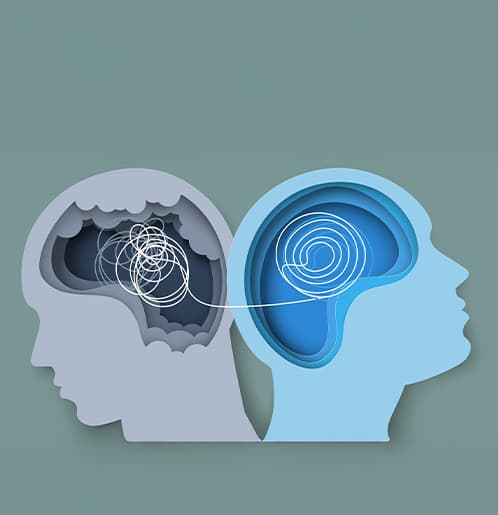
The pressures of modern life have made mental health in the workplace and community support more urgent than ever. Rising demands, limited downtime, and constant digital connection are driving burnout and stress across industries, placing responsibility on organizations and educational institutions to prioritize wellness.
This theme affirms that sustainable mental wellness is built through awareness, access, and the strength of the communities around us.
As conversations around mental health evolve, certain focus areas emerge as essential for sustainable solutions. At our health conference, participants will explore these themes:
Addressing stress, burnout, and employee disengagement through structured initiatives. Programs integrating mental health in the workplace are showing measurable improvements in retention, morale, and productivity.
Local groups, peer mentoring, and grassroots initiatives help normalize conversations around mental health awareness. By focusing on accessibility, these models ensure that support extends beyond clinics and into daily life.
Expanding networks of therapists and counselors, alongside affordable insurance frameworks, ensures greater reach of mental health treatment. This area explores both digital platforms and traditional in-person care.
Dedicated mental health retreats provide structured rest, mindfulness training, and group support. They are increasingly recognized as effective complements to ongoing therapy.
Schools and universities are at the forefront of fostering resilience. From awareness campaigns to counseling centers, student-focused initiatives integrate mental health into the broader education system.
Online therapy platforms, chatbots, and mobile apps are redefining accessibility. These tools connect individuals with licensed mental health professionals, enabling timely and flexible care.
Advocacy efforts drive systemic change by addressing gaps in funding, coverage, and rights. Policies ensure that frameworks such as insurance coverage and workplace protections extend mental health treatment to everyone.
Explores how trauma reshapes mind and body, and the pathways for healing through therapy, movement, and community.
Investigates the deeper causes of depression and the role of meaningful connection in recovery and resilience.
A therapist's candid view into the transformative process of therapy, told through her own experiences as both clinician and patient.
Shares evidence-based approaches to building resilience and joy, grounded in psychology research and real-world application.
Honest conversations exploring stigma, coping strategies, and community, providing a candid and compassionate take on mental health challenges.
Mindfulness tools and stories for emotional well-being, offering practical techniques to reduce stress and build inner resilience.
A meditation and stress-relief app for everyday use, offering guided sessions for sleep, focus, and emotional well-being.
Connects users with licensed mental health professionals online, making professional therapy more accessible and affordable.
A peer-support platform for sharing experiences and finding encouragement, fostering community-driven mental wellness.
Yes. At our health leadership conference, you'll learn about accessible tools, community support, and practical ways to integrate mental health into daily life and organizational culture.
Definitely. Expect real-world examples of mental health in the workplace, retreats, and community programs that have transformed outcomes for individuals and organizations alike.
Through digital platforms and insurance reforms, mental health treatment is becoming more affordable and widely available, closing gaps for underserved communities.
Yes. The role of mental health retreats in structured care and recovery will be highlighted as part of holistic strategies for sustainable mental wellness.
Absolutely. Our health conference is designed for everyone, from newcomers curious about awareness campaigns to practitioners seeking advanced insights into mental health systems.
The upcoming Health 2.0 Conference is set to be held on December 2–4, 2026, at Marina Bay Sands, Singapore, followed by December 29–31, 2027, at InterContinental DFC, Dubai, UAE, and April 27–29, 2027, at the Bellagio Hotel and Casino in Las Vegas, NV, USA.
We only accept payments in USD ($).
We accept several payment methods prior to the conference, including VISA, Mastercard, American Express, Maestro, Discover, Bank Transfer, and PayPal. For your convenience, we also have an interest-free installment plan in place. Please contact the team for more information.